
Prof. Dr Ismail Shafik
Medical Tests
Advanced Medical Tests for Colon, Rectum, and Pelvic Floor Disorders
Accurate diagnosis is the foundation of effective treatment especially when dealing with conditions of the colon, rectum, and pelvic floor. These areas can be affected by a wide range of issues, from chronic constipation and incontinence to colorectal cancer or pelvic organ prolapse. That’s why Dr. Ismail Shafik takes a thorough and personalized approach to evaluation, using the latest in medical technology to uncover the root of your symptoms.
In his practice, diagnosis is not just about identifying a problem it’s about understanding the whole picture: your symptoms, your body’s unique anatomy, and your medical history. By combining advanced imaging, targeted laboratory testing, and high-precision endoscopic techniques, Dr. Ismail Shafik ensures each patient receives an accurate diagnosis and a customized treatment plan that addresses their individual needs.
Methods of Diagnosis for Colon
Rectum, and Pelvic Floor
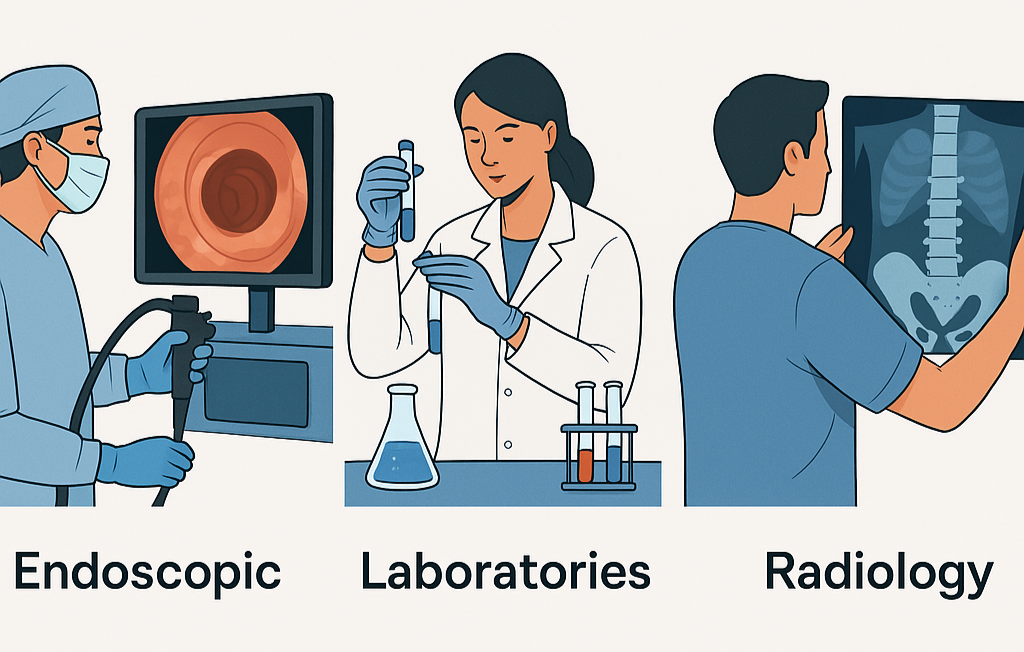

Radiology
Non-invasive imaging for detailed anatomical assessment

Laboratory
Internal health markers to support early detection

Endoscopy
Direct visualization for the most accurate diagnoses
How Radiology Helps Diagnose Colon, Rectum & Pelvic Floor Conditions
-
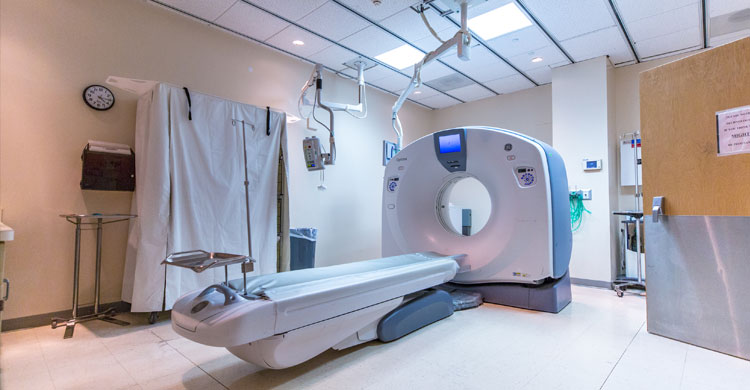
Radiology plays a vital role in diagnosing conditions related to the colon, rectum, and pelvic floor by providing non-invasive imaging techniques that allow for detailed visualization of internal structures. Through advanced imaging methods like CT scans, MRI, and X-rays, radiologists can detect abnormalities such as tumors, inflammation, and structural issues, helping Dr. Ismail Shafik makes accurate diagnoses. These diagnostic tools also assist in monitoring the progression of diseases, guiding treatment plans, and ensuring the effectiveness of interventions.
Radiology Used for Diagnosing Colon, Rectum, and Pelvic Floor Conditions
X-ray: A quick, non-invasive imaging technique used to view bone structures and detect abnormalities like blockages, perforations, or calcifications in the colon or rectum.
CT Scan (Computed Tomography): Provides detailed cross-sectional images of the abdomen and pelvis, helping identify tumors, inflammation, and other abnormalities in the colon, rectum, and pelvic area.
MRI (Magnetic Resonance Imaging): Uses magnetic fields to produce detailed images of soft tissues, offering high-resolution views of the pelvic floor and rectal area, and aiding in the diagnosis of conditions like tumors or pelvic floor disorders.
How Radiology Helps Diagnose Colon Conditions
-
1- X-ray: While not commonly used for detailed colon imaging, X-rays can be employed to detect signs of blockages, perforations, or abnormalities in the colon’s structure. A barium enema is a special type of X-ray where a contrast dye is introduced to highlight the colon and show issues like polyps, tumors, or inflammation.
2- CT Scan (Computed Tomography): A CT scan offers detailed, cross-sectional images of the colon, allowing for the identification of tumors, diverticulitis, inflammatory bowel disease (IBD), and other structural abnormalities. It’s often used in emergencies to assess conditions like perforations or abscesses in the colon.
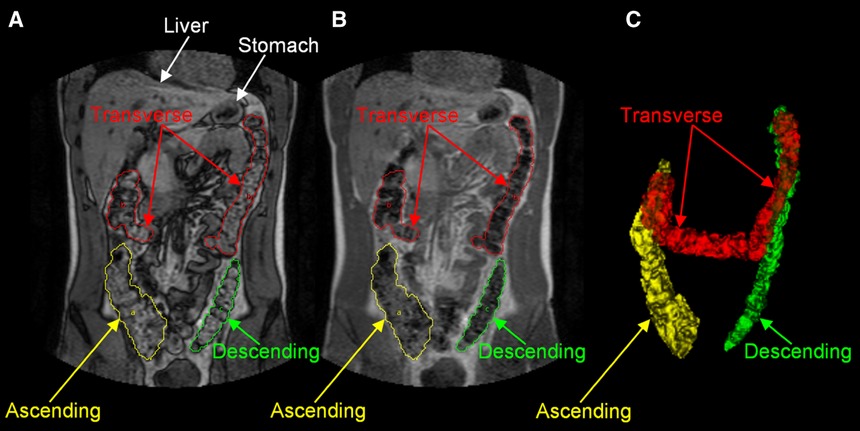
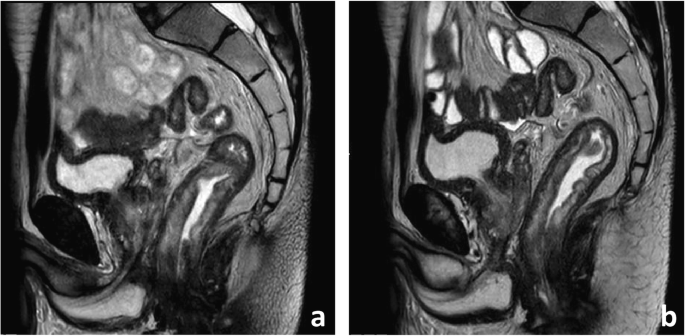
3- MRI (Magnetic Resonance Imaging): MRI provides high-resolution images of soft tissues, making it useful for detecting tumors, abscesses, or signs of cancer within the colon. It’s particularly beneficial for identifying and staging colorectal cancers and evaluating complex conditions like Crohn’s disease.
How Radiology Helps Diagnose Rectum Conditions
-
1- X-ray: While not as commonly used for soft tissue imaging, X-rays can be helpful in detecting certain rectal issues such as blockages, perforations, or signs of inflammation.
2- CT Scan (Computed Tomography): CT scans are particularly effective in assessing the rectum and surrounding tissues. They help identify tumors, abscesses, or complications from conditions like diverticulitis. A CT scan can also provide detailed images of the lymph nodes and nearby organs, aiding in cancer staging.
3- MRI (Magnetic Resonance Imaging): MRI is often the preferred method for assessing rectal tumors and other soft tissue abnormalities. It provides high-resolution images of the rectal wall and helps in staging rectal cancer, or detecting fistulas.
How Radiology Helps Diagnose Pelvic Floor Discords
-
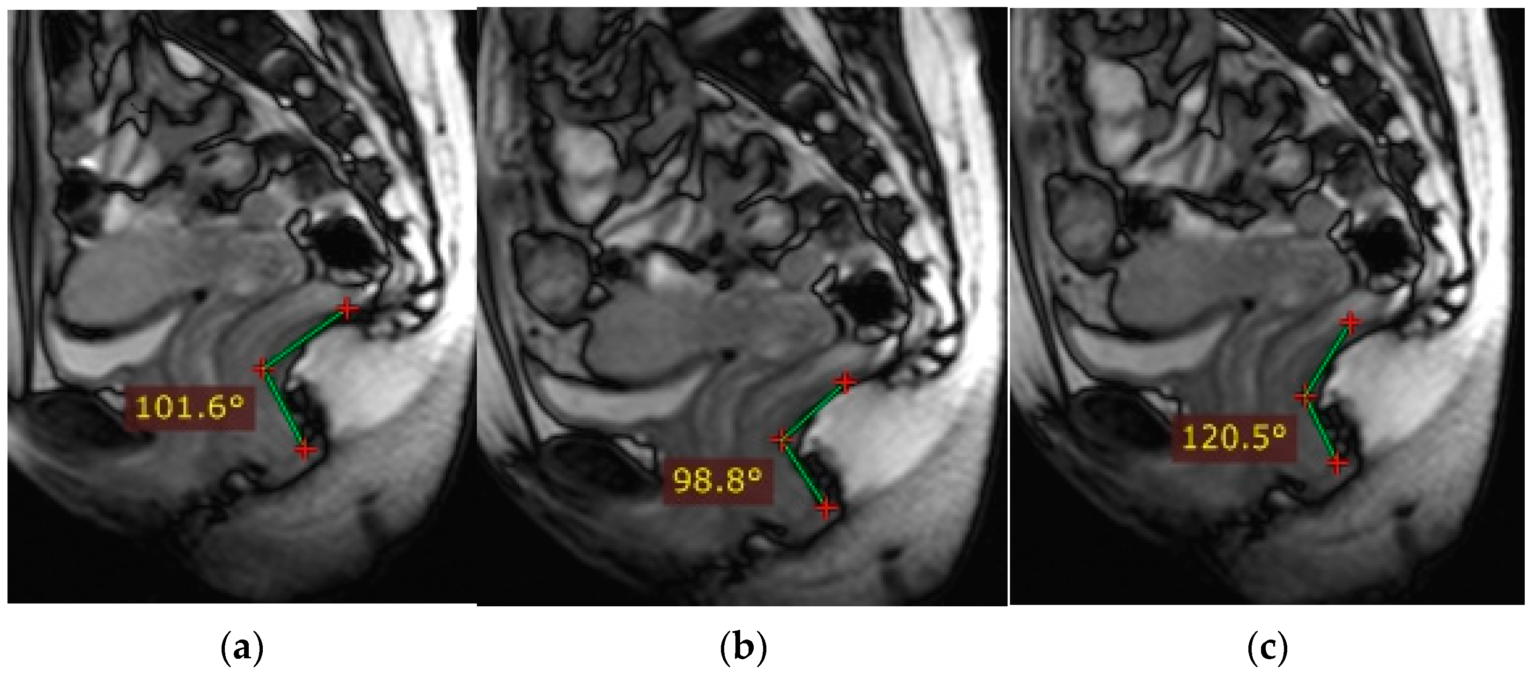
1- MRI (Magnetic Resonance Imaging): MRI is particularly effective in assessing the pelvic floor’s structure and function. It provides high-resolution images of soft tissues and muscles, enabling dr. Ismail Shafik to identify issues like pelvic organ prolapse, muscle weakness, or abnormal tissue growth.
2- Ultrasound: Pelvic ultrasound uses sound waves to visualize the pelvic floor muscles and organs in real-time. It is useful for detecting issues like pelvic organ prolapse, bladder conditions, or abnormalities in the uterine or rectal areas.
3- CT Scan (Computed Tomography): CT scans can help visualize the pelvic floor’s anatomy, aiding in the detection of tumors, inflammation, or structural abnormalities that affect the pelvic floor.
4- X-ray: Though less common, X-rays may be used to evaluate the bones in the pelvic region and identify any skeletal issues or fractures that could affect pelvic floor function.
How Laboratory Helps Diagnose Colon & Rectum
-
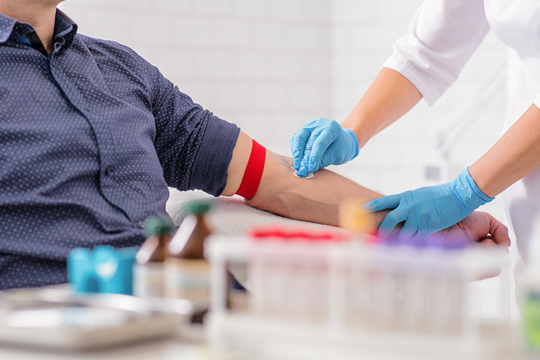
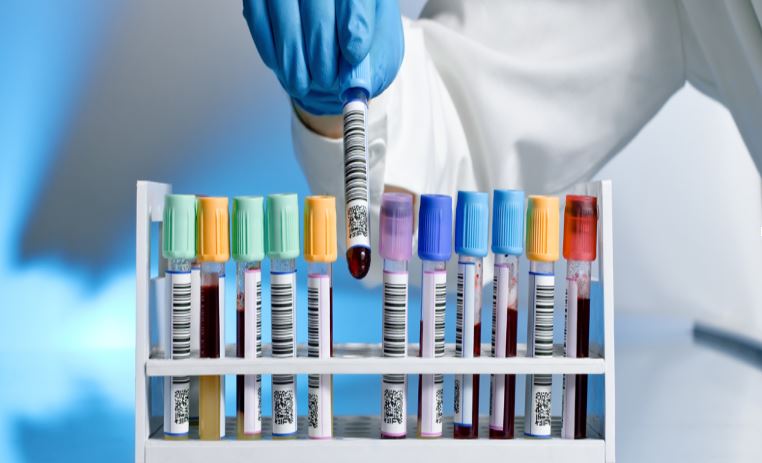
Laboratory testing is essential in diagnosing conditions related to the colon and rectum, providing critical insights into the patient’s health. Blood tests, stool analyses, and tissue biopsies are used to identify signs of inflammation, infection, and abnormal cell growth, such as that seen in colorectal cancer. These tests help Dr. Ismail Shafik accurately diagnose a wide range of colon and rectum disorders, including infections, inflammatory bowel diseases (IBD), and tumors. By analyzing biomarkers and other clinical indicators, laboratory results also assist in determining the most effective treatment plans and in monitoring the progress of the disease over time.
Laboratory Tests for Diagnosing Colon & Rectum Conditions
-
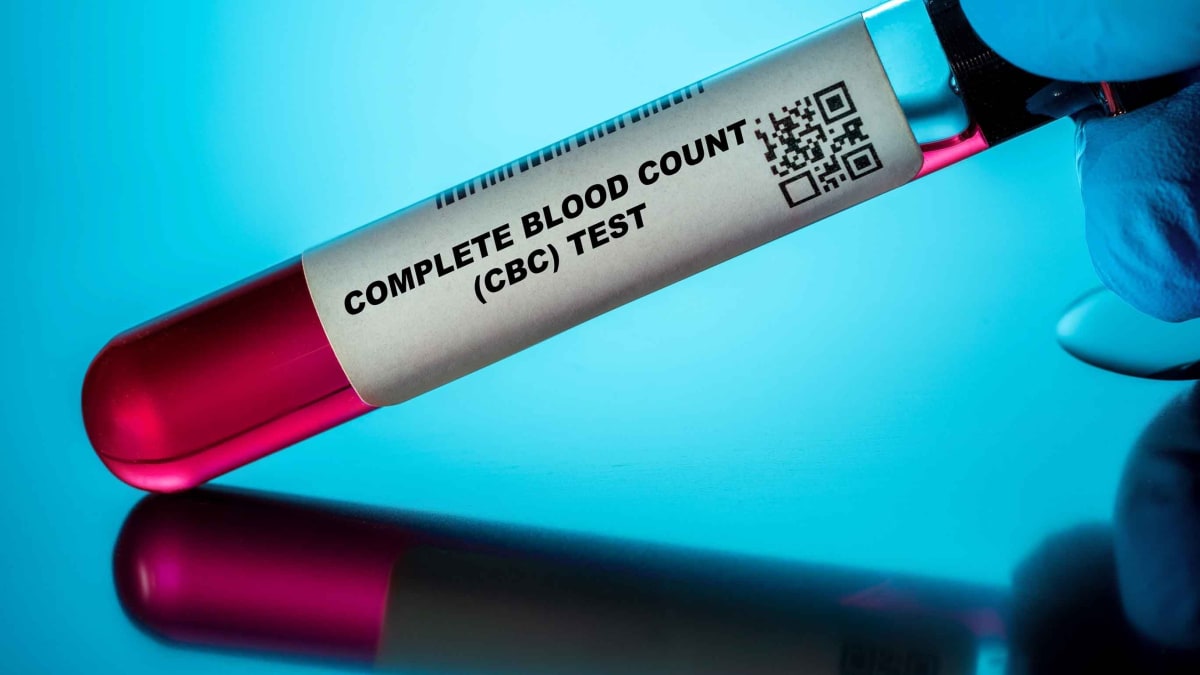
Blood tests such as a Complete Blood Count (CBC) help detect anemia caused by chronic bleeding, which may signal polyps, colorectal cancer, or inflammatory bowel disease. Fecal tests like the Fecal Occult Blood Test (FOBT) and Fecal Immunochemical Test (FIT) are commonly used to identify hidden blood in the stool, often one of the earliest signs of colorectal disorders. Inflammatory markers such as C-reactive protein (CRP) or fecal calprotectin may also be used to detect active inflammation in the digestive tract. For more advanced screening, molecular stool tests can identify genetic changes linked to colorectal cancer. These diagnostic tools assist Dr. Ismail Shafik in accurately identifying underlying conditions, supporting earlier intervention and more effective treatment planning.
Endoscopic Procedures for Diagnosing Colon & Rectum Conditions
-
The Endoscopic Department is central to the accurate diagnosis and evaluation of conditions affecting the colon and rectum. Using high-resolution endoscopic equipment, Dr. Ismail Shafik can directly visualize the internal lining of the digestive tract, allowing for immediate detection of abnormalities such as polyps, tumors, ulcers, or areas of inflammation.
Procedures like colonoscopy and sigmoidoscopy are minimally invasive and provide real-time insights, making them vital tools for both screening and diagnostic purposes. These procedures also enable tissue sampling (biopsy), which is essential for confirming the presence of malignancies or chronic conditions like Crohn’s disease or ulcerative colitis.
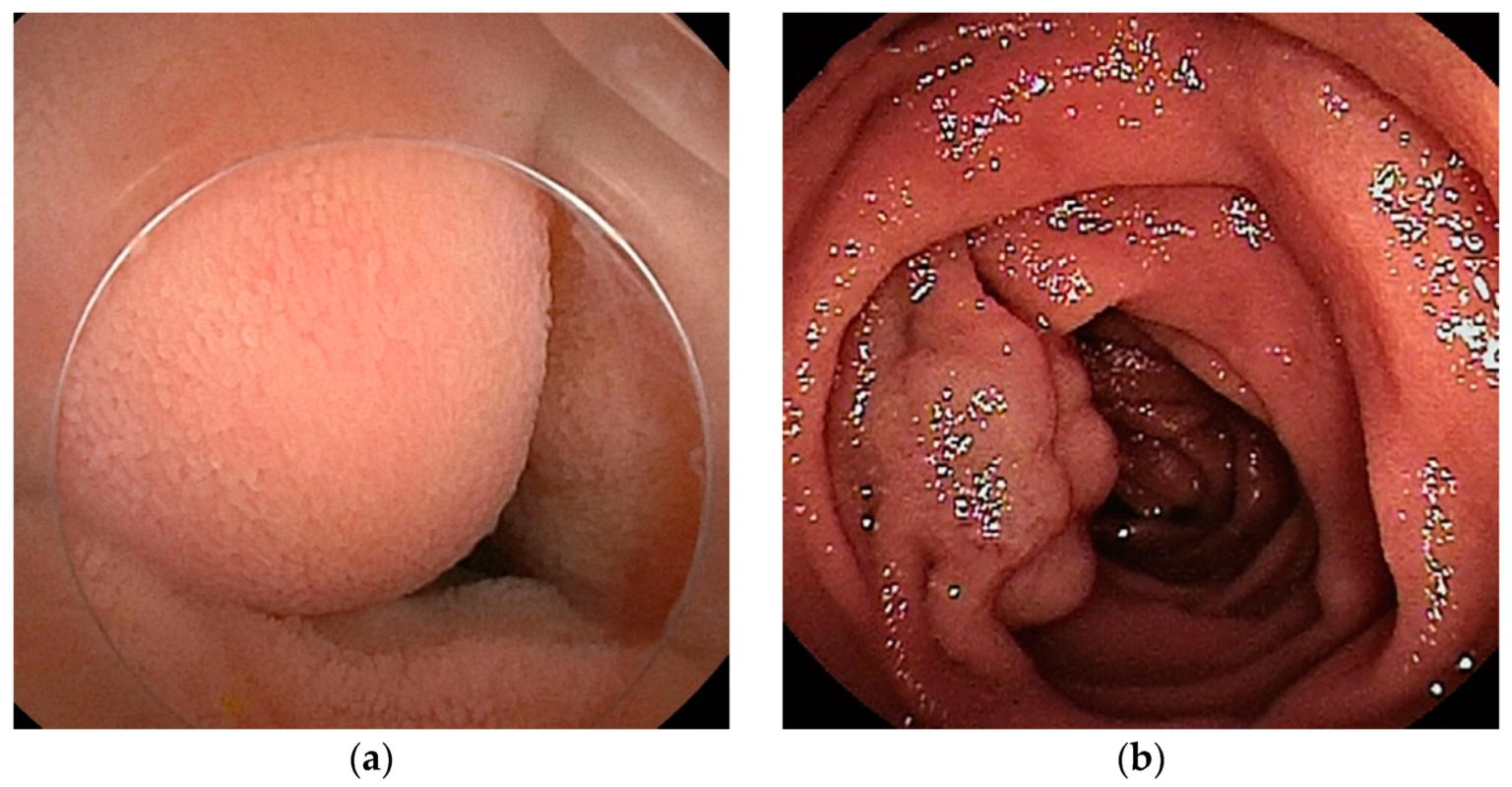
Endoscopic Procedures for Diagnosing Colon & Rectum Conditions
2- Flexible Sigmoidoscopy: Focused on the lower part of the colon (sigmoid colon and rectum), this test is less extensive than a full colonoscopy but is highly effective in diagnosing conditions in the distal colon and rectum.
3- Rectoscopy (Proctoscopy): This procedure involves examining the rectum and the anal canal. It is useful for identifying hemorrhoids, tumors, inflammation, or other abnormalities within the lower rectal area.
4- Endoscopic Biopsy: During these procedures, small tissue samples may be taken from suspicious areas for lab analysis, aiding in the diagnosis of cancer, infection, or chronic inflammation.