
Prof. Dr Ismail Shafik
Natural orifice endoscopic
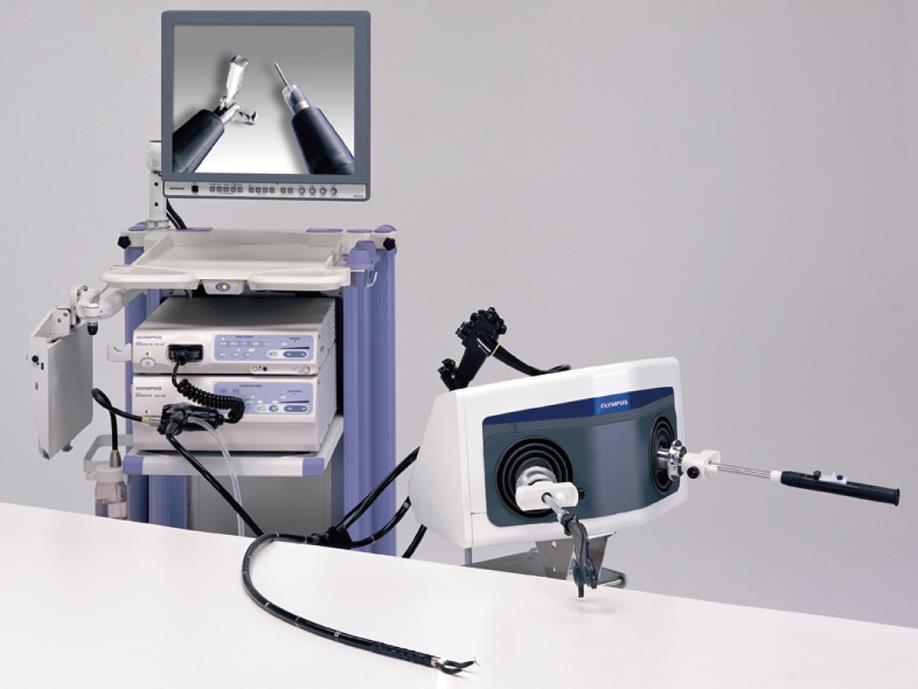
Natural Orifice Endoscopic Surgery
Natural Orifice Transluminal Endoscopic Surgery (NOTES) is a cutting-edge, minimally invasive technique that uses your body’s natural openings for surgery—meaning no external scars and a quicker return to daily life.
What is Natural Orifice Surgery (Simple & Clear Explanation)
NOTES (Natural Orifice Transluminal Endoscopic Surgery) is a modern, minimally invasive surgery technique where doctors perform procedures through natural body openings, like the mouth, vagina, or rectum, instead of making external cuts on the skin. This approach can reduce pain, speed up recovery, and leave no visible scar, making it a less invasive alternative to traditional surgery.
How Natural Orifice Surgery Performed
Dr. Ismail Shafik uses a flexible tube with a camera and instruments (endoscope) to perform procedures through natural body openings like the mouth, vagina, or rectum. The endoscope is carefully guided to the target area, allowing Dr. Ismail Shafik to operate without external incisions.
Types of Natural Orifice Transluminal Endoscopic Surgery
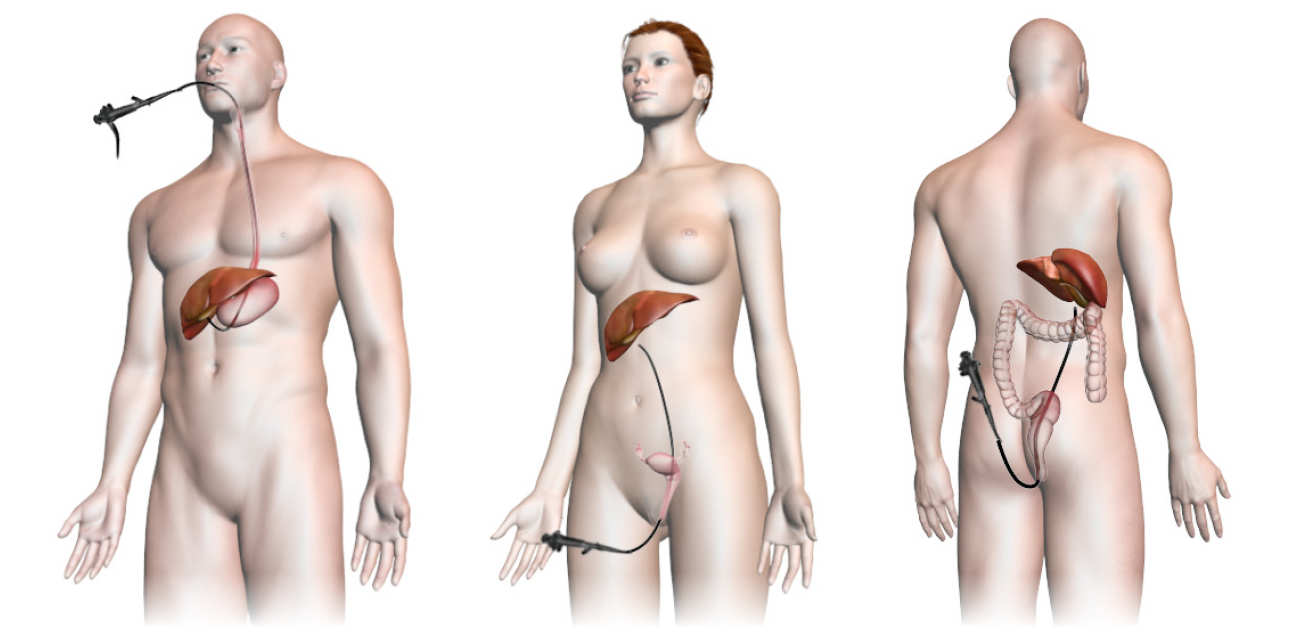
Natural Orifice Transluminal Endoscopic Surgery (NOTES) can be performed through different natural openings in the body, Dr. Ismail Shafik insert a flexible tube with a camera and surgical tools (an endoscope) through a natural orifice, such as the mouth, vagina, rectum, anus, or urethra. The choice of entry point depends on the organ or condition being treated.
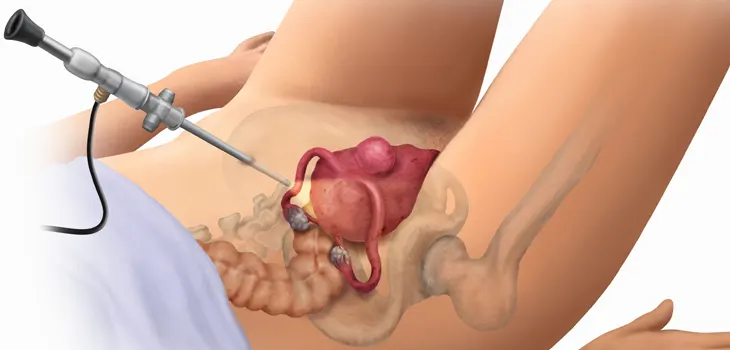
Natural Orifice Transgastric Surgery
-
Natural Orifice Transgastric Endoscopic surgery is a type of Natural Orifice Transluminal Endoscopic Surgery (NOTES) where a flexible endoscope is inserted through the mouth, passed down the esophagus, and into the stomach. A small incision is made inside the stomach wall, allowing access to the abdominal cavity. This technique eliminates the need for external incisions, making it a scar-free and minimally invasive procedure.
Transgastric Surgery Pre-Surgery Requirements
1- Medical Evaluation: A thorough check-up, including blood tests, imaging scans, and possibly an endoscopic examination.
2- Fasting: Typically, no food or drink for 6-12 hours before surgery.
3- Medication Adjustments: Patients on blood thinners or certain medications may need to pause them.
4- Infection Prevention: A short course of antibiotics may be given before surgery.
The Procedure Steps
Step 1: The patient is placed under general anesthesia.
Step 2: A flexible endoscope is inserted through the mouth, esophagus, and into the stomach.
Step 3: A small incision is made inside the stomach to access the abdominal cavity.
Step 4: Dr. Ismail Shafik performs the necessary procedure (e.g., Tumor Removal).
Step 5: The stomach wall is closed with sutures or clips, preventing any leakage.
Step 6: The endoscope is removed, and the patient is taken to recovery.
Post-Surgery Recovery & Care
1- Hospital Stay: Most patients can go home within a day if no complications arise.
2- Diet: Initially, a liquid diet is recommended, gradually progressing to solid foods.
3- Pain Management: Mild discomfort is normal, but pain medication can help.
4- Activity Restrictions: Avoid heavy lifting or intense exercise for a few weeks.
5- Follow-up Appointments: Necessary to ensure proper healing.
Risks & Considerations
1- Potential Stomach Leak: The stomach incision must heal properly to prevent leaks.
2- Infection: Though rare, infections can occur if bacteria enter the abdominal cavity.
3- Suitability Issues: Not all patients qualify for transgastric surgery; a doctor’s evaluation is necessary.
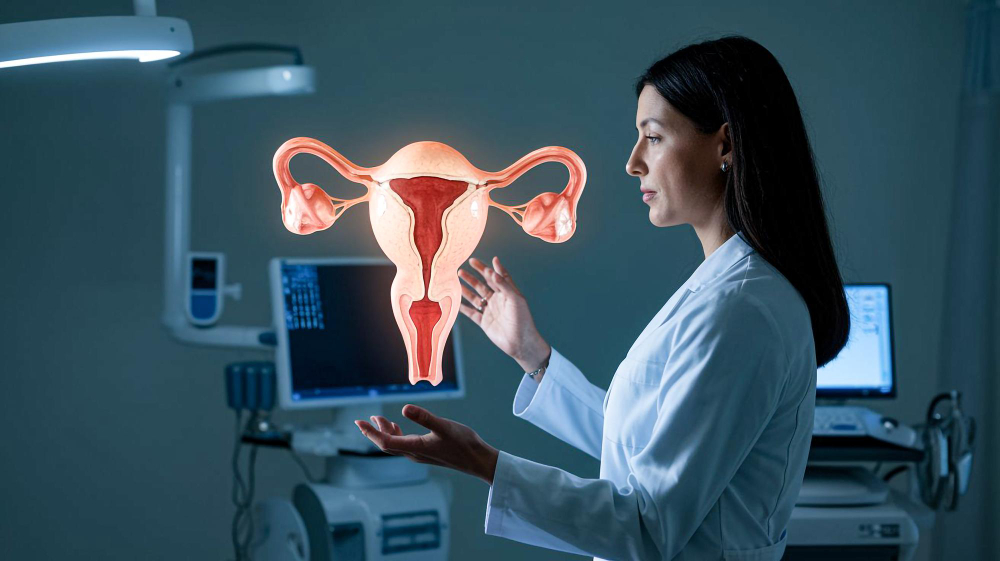
Natural Orifice Transvaginal Surgery
-
Transvaginal surgery, a type of Natural Orifice Transluminal Endoscopic Surgery (NOTES), allows Dr. Ismail Shafik to access the abdominal cavity through the vagina without external incisions. This technique is particularly useful for colorectal procedures, offering a less invasive alternative to traditional surgery.
Transvaginal Surgery Pre-Surgery Requirements
1- Medical Evaluation: A thorough check-up, including blood tests, imaging scans, and possibly an endoscopic examination.
2- Fasting: Typically, no food or drink for 6-12 hours before surgery.
3- Medication Adjustments: Some medications, especially blood thinners, may need to be paused.
4- Infection Prevention: A short course of antibiotics may be given before surgery.
5- Gynecological Examination: Since the procedure is performed through the vagina, a gynecological assessment may be necessary.
The Procedure Steps
Step 1: The patient is placed under general anesthesia.
Step 2: A flexible endoscope is inserted through the vagina to reach the abdominal cavity.
Step 3: A small incision is made inside the vaginal wall, allowing Dr. Ismail Shafik, to access the colon, rectum, or other abdominal organs.
Step 4: The necessary procedure is performed (e.g., polyp removal, tumor resection).
Step 5: The vaginal wall incision is closed with sutures, ensuring proper healing.
Step 6: The endoscope is removed, and the patient is taken to recovery.
Post-Surgery Recovery & Care
1- A liquid diet may be recommended initially, followed by a gradual return to solid foods.
2- Pain Management: Some discomfort is expected, but pain is usually mild and controlled with medication.
3- Activity Restrictions: Patients should avoid heavy lifting and sexual activity for a few weeks.
4- Follow-up Appointments: Required to monitor healing and rule out complications.
Risks & Considerations
1- Vaginal Discomfort or Bleeding: Some light bleeding is normal but should resolve in a few days.
2- Risk of Infection: Although rare, antibiotics are given to prevent infection.
3- Not Suitable for Everyone: Women who have had multiple vaginal surgeries or certain gynecological conditions may not be eligible.
4- Pelvic Organ Injury: Though uncommon, there is a small risk of damaging surrounding organs.
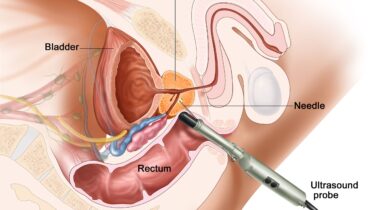
Natural Orifice Transrectal Surgery
-
Transrectal surgery is a type of Natural Orifice Transluminal Endoscopic Surgery (NOTES) where a flexible endoscope is inserted through the rectum to access the abdominal cavity.
Transrectal Surgery Pre-Surgery Requirements
1- Bowel Preparation: A laxative or enema is required to ensure the rectum and colon are completely clear before surgery.
2- Fasting: No food or drink for 6-12 hours before the procedure to prevent complications.
3- Medical Assessment: Includes blood tests, imaging (MRI/CT scans), and sometimes a colonoscopy to evaluate the condition.
4- Medication Adjustments: Blood thinners and certain other drugs may need to be temporarily stopped under medical supervision.
5- Infection Prevention: A short course of antibiotics may be given before surgery to reduce infection risks.
The Procedure Steps
Step 1: The patient is placed under general anesthesia.
Step 2: A flexible camera-equipped tube is gently inserted into the rectum.
Step 3: A small internal incision (if needed) is made inside the rectal wall to reach the target area..
Step 4: The necessary procedure is performed (e.g., polyp removal, tumor resection).
Step 5: The rectal incision (if made) is sutured shut, and the endoscope is withdrawn.
Step 6: The patient is monitored in the recovery area before being discharged.
Post-Surgery Recovery & Care
1- A liquid diet may be recommended at first, with a gradual return to solid foods.
2- Pain Management: Some discomfort is expected, but pain is usually mild and controlled with medication.
3- Activity Restrictions: Avoid heavy lifting, straining, and intense physical activity for a couple of weeks.
4- Bowel Movements: Soft stools are encouraged to prevent strain—doctors may prescribe stool softeners.
5- Follow-Ups Are Key: Regular check-ups ensure proper healing and no post-surgical complications.
Risks & Considerations
1- Mild Rectal Bleeding: Common in the first few days but usually resolves on its own.
2- Infection Risk:Though minimal, precautions such as antibiotics and hygiene care are taken to prevent it.
3- Not for Everyone:Patients with large tumors, advanced rectal disease, or multiple previous surgeries may need alternative approaches.
4- Temporary Bowel Changes: Some may experience mild constipation or urgency, which typically resolves in a few weeks
Frequently Asked Questions (FAQ) – Natural Orifice Surgery
-
Transrectal surgery is a type of Natural Orifice Transluminal Endoscopic Surgery (NOTES) where a flexible endoscope is inserted through the rectum to access the abdominal cavity.
Q: What is a natural orifice?
A: Natural Orifice Transluminal Endoscopic Surgery (NOTES) is a minimally invasive surgical technique where doctors access the abdominal cavity through natural openings like the mouth, vagina, or rectum instead of making external incisions. This results in no visible scars, reduced pain, and faster recovery.
Q: How is NOTES different from traditional surgery?
A: Unlike traditional open or laparoscopic surgery, which requires external cuts, NOTES uses natural body openings to perform procedures, leading to:
1- No visible scars
2- Lower risk of infections
3- Faster healing and recovery
Q: How is NOTES performed?
A: Doctors insert a flexible endoscope through a natural orifice (mouth, vagina, or rectum) to reach the abdominal cavity. Small internal incisions may be made inside the body, which are later closed with sutures or clips.
Q: Is NOTES painful?
A: Since there are no large external cuts, pain is significantly less than traditional surgery. Most patients experience only mild discomfort that can be managed with medication.
Q: How do I know if NOTES is right for me?
A: Your doctor will assess your condition, medical history, and treatment goals to determine if NOTES is the best option for your surgery.