
Prof. Dr Ismail Shafik
laparoscopic surgery
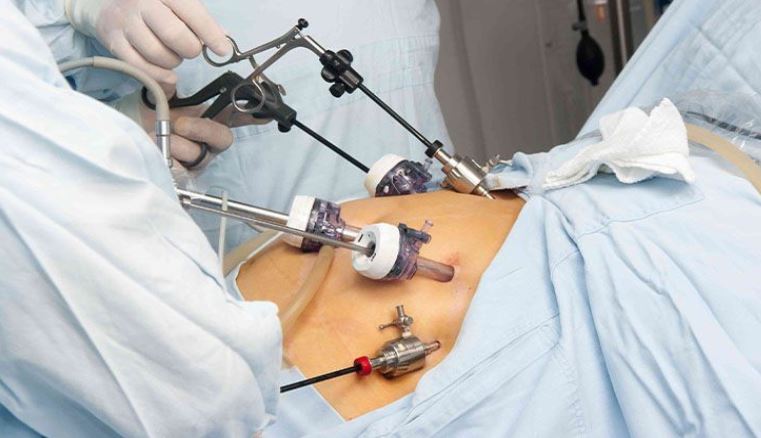
Laparoscopic Minimally Invasive Surgical Technique
Laparoscopic surgery is a modern, minimally invasive surgical technique that allows doctors to perform procedures using small incisions instead of large cuts. This approach reduces recovery time, minimizes pain, and leaves minimal scarring.
What is Laparoscopic Surgery? (Simple & Clear Explanation)
Laparoscopic surgery, also known as keyhole surgery, is a technique where surgeons use small incisions (usually 5-12mm) to insert a tiny camera (laparoscope) and specialized instruments. This allows Dr. Ismail Shafik to perform complex procedures with greater precision while minimizing trauma to the body.
How Laparoscopic Surgery is Performed
Dr. Ismail Shafik uses advanced laparoscopic techniques to carry out various procedures with minimal discomfort and faster recovery for patients. The procedure involves:
1- Making small incisions in the abdomen.
2- Inserting a laparoscope, a thin tube with a high-definition camera.
3- Using specialized instruments to perform the surgery with precision.
4- Closing the incisions with sutures or surgical glue.
Laparoscopic Surgery: What to Expect and How to Prepare
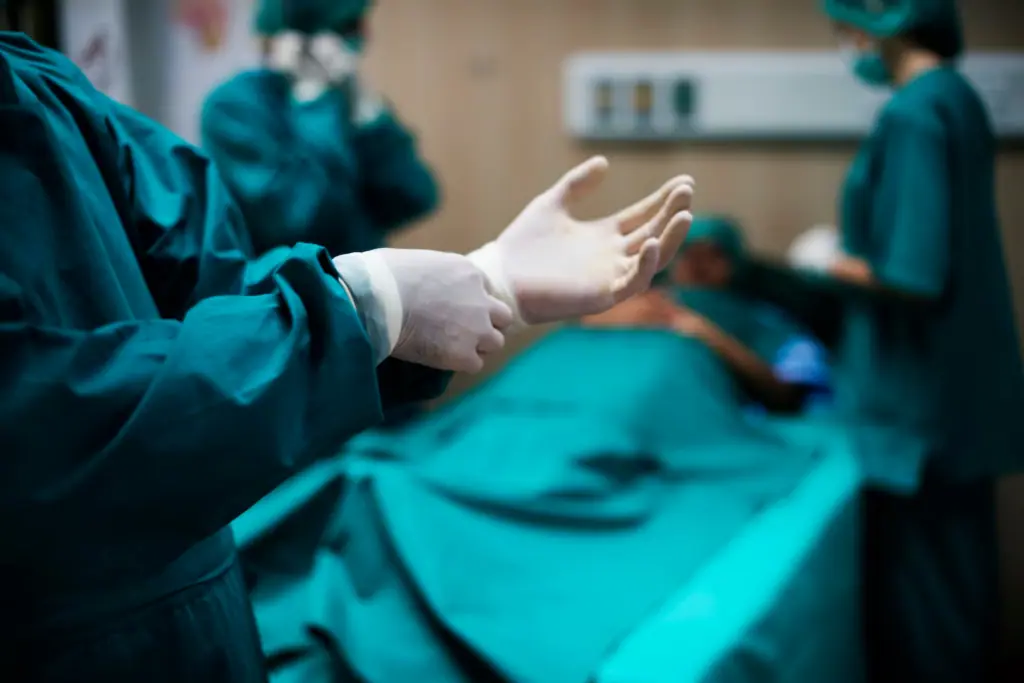
Preparing for Laparoscopic Surgery
1- No food, drinks, or smoking after midnight before your surgery—even water is off-limits.
2- Dress comfortably. Loose-fitting clothes are your best bet since your abdomen might feel tender afterward.
3- Wear low-heeled shoes. Anesthesia can make you feel a little wobbly.
4- Skip the jewelry. Wedding rings are usually fine, but leave everything else at home.
5- Remove nail polish. Your care team needs to see your natural nails.
What Happens During Laparoscopic Surgery?
Upon entering the operating room, you will be positioned at a slight incline, with your head positioned lower than your feet. Dr. Ismail Shafik will put you under general anesthesia, so you won’t feel a thing.
The following steps will occur:
1- Initial incision: Dr. Ismail Sahfik will create a small incision near your belly button or beneath your ribs.
2-Gas inflation: A specialized tube will introduce gas into your abdominal cavity, facilitating better visibility during the procedure.
3- Scope insertion: A slender laparoscope, equipped with a camera, will be inserted, and if necessary, additional instruments will be introduced through other minor incisions.
4- Surgical intervention or diagnosis: Dr. Ismail Shafik will either carry out the required procedure or obtain tissue samples for analysis.
5- Gas release and closure: After the surgery is completed, the gas will be expelled, and the incisions will be sutured.
A straightforward diagnostic laparoscopy typically takes between 30 minutes to an hour, while a surgical procedure may extend from one to three hours, depending on its complexity. If deemed necessary, your surgeon may opt to transition to an open surgery for safety reasons.
Post-Surgery Recovery & Care
Once your surgery is done, you’ll be taken to the post-anesthesia care unit (PACU), where your medical team will monitor you closely. Your recovery time will depend on the type of anesthesia used. Once your vital signs are stable and you’re fully awake, you’ll either be moved to a hospital room or discharged if your procedure was outpatient.
Once you return home, please adhere to the following care instructions:
1- Maintain cleanliness and dryness of your incision: Dr. Ismail Shafik will provide guidance on safe washing techniques.
2- Removal of stitches or staples: If you have received stitches or staples, they will be removed during a follow-up visit. If adhesive strips were applied, keep them dry and allow them to detach naturally.
3- Pain management: You may experience some discomfort due to the gas used during the procedure, which can lead to abdominal and shoulder pain for a few days. This should gradually improve. Only take pain medications that have been approved to prevent complications.
4- Bowel health: If advised, implement a bowel regimen to avoid constipation, particularly if you are on pain medication.
5- Dietary modifications: Refrain from consuming carbonated beverages for the first 1–2 days to alleviate gas discomfort. Begin with clear liquids and slowly reintroduce solid foods as instructed. If you experience nausea, inform Dr. Ismail Shafik.
6- Activity restrictions: Take it easy for a few days and refrain from engaging in strenuous activities.
Reach out Dr. Ismail Shafik immediately if you notice the following
2- Redness, swelling, bleeding, or unusual drainage from your incision
3- Increased pain at the incision site
4- Persistent vomiting or nausea
5- Difficulty urinating
6- Swelling in the legs
7- Breathing difficulties
Dr. Ismail Shafik may offer additional instructions tailored to your situation. It is essential to follow all recommendations for a successful recovery.
Frequently Asked Questions (FAQ) – Laparoscopic Surgery
-
Transrectal surgery is a type of Natural Orifice Transluminal Endoscopic Surgery (NOTES) where a flexible endoscope is inserted through the rectum to access the abdominal cavity.
Q: What is laparoscopic surgery?
A: It is a minimally invasive surgery technique using small incisions and a camera to perform procedures with minimal trauma to the body.
Q: How is laparoscopic surgery different from traditional surgery?
A: Unlike open surgery, laparoscopic surgery requires only small incisions, reducing pain, scarring, and recovery time.
Q: How long does recovery take?
A: Recovery varies depending on the procedure but is generally quicker than open surgery. Most patients resume normal activities within a few weeks.
Q: Is laparoscopic surgery painful?
A: Pain is significantly less than traditional surgery, and most patients only experience mild discomfort managed with medication.
Q: Why Choose Laparoscopic Surgery?
A:
1- Less trauma to your body
2- Minimal blood loss (lower risk of hemorrhage)
3- Smaller scars
4- Lower risk of infection
5- Shorter hospital stay & faster recovery
6- Less pain, meaning fewer pain meds
Q: Who is a candidate for laparoscopic surgery?
A: Patients with conditions like gallstones, hernias, appendicitis, or gynecological disorders may be suitable candidates, depending on their medical evaluation.