
Prof. Dr Ismail Shafik
Open Surgery
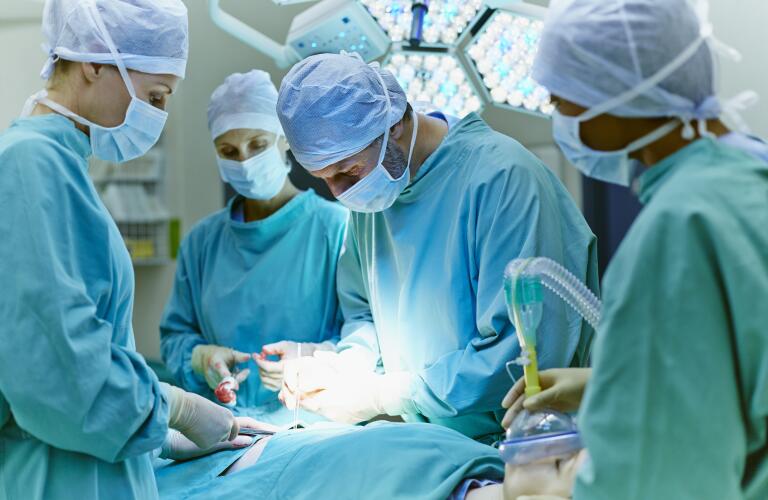
Traditional Open Surgery by Dr. Ismail Shafik
Open surgery is a time tested technique where Dr. Ismail Shafik makes a larger incision to directly access the area being treated. This method is especially valuable in complex, advanced, or emergency cases where full visibility and control are essential.
Dr. Ismail Shafik is highly experienced in performing open surgeries with precision and care, ensuring optimal outcomes even in the most challenging situations. While recovery may take a bit longer compared to minimally invasive procedures, open surgery remains a safe, reliable, and effective option for many conditions especially when direct access is critical to success.
What is Open Surgery? (Simple & Clear Explanation
Open surgery is a type of surgery where a larger incision is made to fully access the area that needs treatment. This method is used when the condition requires better visibility or direct access.
If Dr. Ismail Shafik recommends open surgery, it means he believes it’s the best choice for your health. This recommendation is based on factors like how severe your condition is, your overall health, and the risks of other treatment options. Dr. Ismail Shafik will discuss the situation with you and explain any other alternatives available.
While all surgeries have some risks, open surgery is generally safe with low risks for most patients. However, not having the surgery could lead to more serious health problems in some cases.
How Open Surgery is Performed
Open surgery for the colon, rectum, and pelvic floor involves making a larger incision to directly access the affected area. The procedure involves:
1- Making an Incision: Dr. Ismail Shafik makes a larger incision, usually in the abdomen or lower abdomen, to access the colon, rectum, or pelvic floor area. The incision’s size depends on the location and complexity of the condition.
2- Accessing the Area: Dr. Ismail Shafik carefully moves aside tissues and organs to reach the affected area. For colon and rectal surgeries, Dr. Ismail Shafik may remove a portion of the colon or rectum, repair damaged tissue, or treat any other issues.
3- Performing the Procedure: In pelvic floor surgeries, Dr. Ismail Shafik may repair or reposition organs to restore normal function. For colon and rectal surgeries, Dr. Ismail Shafik may remove diseased tissue, repair organs, or address structural issues, such as reattaching sections of the colon after removing part of it.
4- Closing the Incision: Once the surgery is complete, Dr. Ismail Shafik carefully closes the incision with stitches or staples. A dressing is applied to protect the wound as it heals.
Open Surgery: What to Expect and How to Prepare
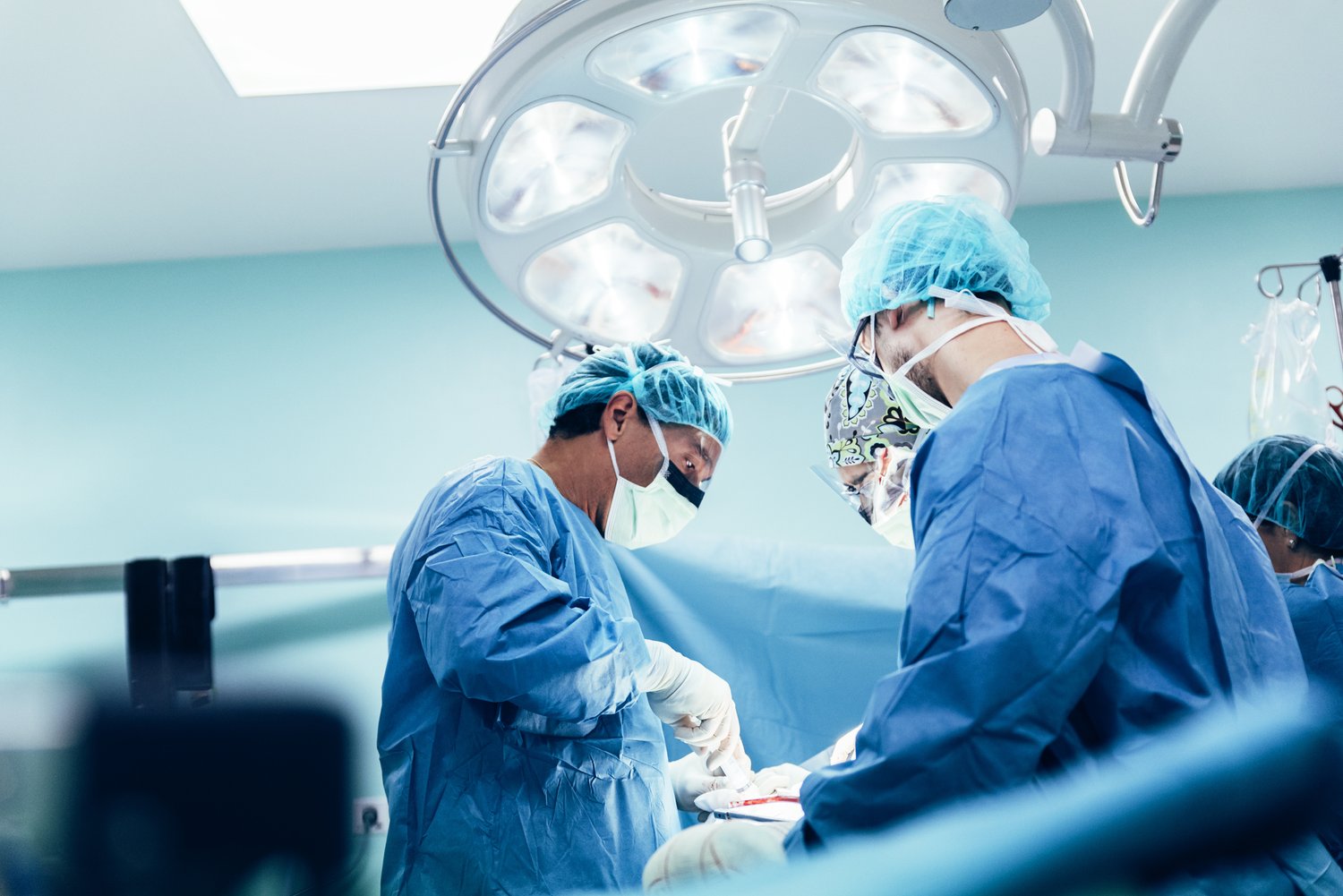
Preparing for Open Surgery
Pre-Surgery Consultation with Dr. Ismail Shafik
1- Medical Evaluation: Dr. Ismail Shafik will review your medical history, perform a physical examination, and may order tests (such as blood work, imaging, or EKG) to assess your overall health.
2- Discussing the Procedure: Dr. Ismail Shafik will explain the details of the surgery, including the risks, benefits, and recovery process. You’ll also discuss any alternatives to open surgery, if applicable.
3- Medication Instructions: If you take any medications, Dr. Ismail Shafik will advise you on whether to continue or stop certain medications (such as blood thinners) before surgery.
Fasting Before Surgery
1- No Eating or Drinking: You’ll typically be asked to fast for at least 8-12 hours before your surgery. This includes no food, drinks, or chewing gum. This is to reduce the risk of complications during anesthesia.
Pre-Surgery Instructions
1- Shower and Clean: You may be asked to shower with an antibacterial soap the night before or morning of your surgery to reduce the risk of infection.
2- Clothing: Wear loose, comfortable clothing to the hospital. Avoid wearing jewelry, makeup, or nail polish, as these can interfere with medical equipment.
Anesthesia and Pain Management
1- Anesthesia Consultation: You may meet with an anesthesiologist before your surgery to discuss the anesthesia options, including general anesthesia (where you’ll be asleep during the surgery).
2- Pain Management Plan: Dr. Ismail Shafik will discuss how pain will be managed during and after surgery. Open surgery typically requires more pain management compared to minimally invasive procedures due to the larger incision.
What to Expect on Surgery Day
1- Arrival at the Hospital: You will be admitted to the hospital on the day of the surgery. A nurse will check your vital signs and prepare you for the procedure.
2- IV Line: An intravenous (IV) line will be placed to administer fluids and medications, including anesthesia.
3- Marking the Surgery Site: Dr. Ismail Shafik or the surgical team will mark the area where the incision will be made to ensure accuracy.
Final Considerations
1- Mental Preparation: Open surgery can be a big step, and it’s natural to feel anxious. Take time to relax, and discuss any concerns you have with Dr. Ismail Shafik or the medical team.
2- Follow the Instructions: Adhering to all pre-surgery instructions is vital for the success of the procedure and a smooth recovery.
What Happens During Open Surgery?
When you enter the operating room, you will be carefully positioned on the table, and Dr. Ismail Shafik will give you general anesthesia. This will ensure that you are completely asleep and pain-free, allowing the surgery to be performed without any discomfort. The following steps will occur:
Preparation and Anesthesia
1- Entering the Operating Room: Once you are in the operating room, the surgical team will position you on the operating table and monitor your vital signs.
2- Administering Anesthesia: You will be given general anesthesia to ensure you are asleep and pain-free throughout the procedure. The anesthesia is administered through an IV line or gas, depending on the type of surgery.
Making the Incision
1- Incision Placement: Dr. Ismail Shafik will carefully make a larger incision at the designated site. The size and location of the incision depend on the type of surgery being performed and the area that needs access.
2- Accessing the Surgical Area: After the incision is made, the surgeon will carefully move aside tissues and organs to reach the area that requires treatment, such as the colon, rectum, or pelvic floor.
Performing the Surgery
1-Treating the Condition: Once the area is fully exposed, Dr. Ismail Shafik will perform the necessary surgical procedures. This could involve removing a tumor, repairing damaged tissue, removing part of the colon, rectum, or pelvic organs, or addressing other issues like pelvic organ prolapse or anal conditions.
2- Monitoring During the Surgery: Throughout the procedure, the surgical team will monitor your vital signs, including heart rate, blood pressure, and oxygen levels, to ensure everything is stable.
Closing the Incision
1- Completion of Surgery: After the necessary treatment is completed, Dr. Ismail Shafik will carefully close the incision using sutures or staples.
2- Dressing the Wound: The incision will be covered with a sterile dressing to protect the wound and prevent infection.
Post-Surgery Monitoring
1- Recovery from Anesthesia: Once the surgery is complete, you’ll be moved to the recovery room, where medical staff will monitor you as you wake up from anesthesia.
2- Pain Management: Pain relief medication will be administered to keep you comfortable as you recover from the effects of the surgery and anesthesia.
Recovery and Observation
1- Initial Recovery: You will be closely monitored to ensure that you are stable and that no complications arise. Depending on the procedure, you may be able to go home the same day or may need to stay in the hospital for observation.
2- Follow-Up Care: After surgery, Dr. Ismail Shafik will give you instructions for post-surgery care, which may include wound care, pain management, and activity restrictions to help promote healing.
Post-Surgery Recovery & Care
Caring for the Incision
1- The surgical site will be cleaned and dressed to prevent infection. It is important to keep the area clean and dry, following any instructions Dr. Ismail Shafik provides for washing and caring for the incision. 2- If you had stitches or staples, you may need to return for a follow-up appointment to have them removed.Pain Management
1- Some pain or discomfort is normal after surgery, but Dr. Ismail Shafik will prescribe pain medication to help manage it. Make sure to follow the prescribed dosage and avoid overuse of pain relievers. 2- You may also experience discomfort from the gas used during surgery, which can cause bloating or shoulder pain, but this will gradually improve.Diet and Activity Restrictions
1- Initially, you may need to follow a special diet, starting with clear liquids and gradually reintroducing solid foods as your body heals. Dr. Ismail Shafik will provide dietary guidelines to help with digestion and avoid complications. 2- Activity should be limited in the early stages of recovery. Avoid lifting heavy objects or engaging in strenuous activities until you have received clearance from Dr. Ismail Shafik.Signs to Watch For
Reach out Dr. Ismail Shafik immediately if you notice the following
1- Fever or chills 2- Redness, swelling, or excessive drainage from the incision 3- Severe pain or discomfort 4- Difficulty breathing 5- Nausea, vomiting, or persistent constipation 6- Swelling in the legs
Follow-Up Care
1- A follow-up appointment will be scheduled with Dr. Ismail Shafik to ensure that you are healing well. During this visit, Dr. Shafik will check the surgical site, remove stitches or staples if necessary, and address any concerns you may have. 2- Activity should be limited in the early stages of recovery. Avoid lifting heavy objects or engaging in strenuous activities until you have received clearance from Dr. Ismail Shafik.Frequently Asked Questions (FAQ) – Open Surgery
Q: What is Open surgery?
A: Open surgery is a traditional surgical technique where the surgeon makes a larger incision to directly access the area that needs treatment. This method allows the surgeon to view and operate on the affected area with greater visibility and control, which is essential for more complex, widespread, or emergency conditions.
Q: How long will my Open surgery take?
A: The length of your open surgery depends on the type of procedure being performed, its complexity, and your individual health factors. On average, open surgeries can take anywhere from 1 to 4 hours, but some more complex procedures may take longer.
Q: How long does recovery take after open surgery?
A: Recovery time depends on the procedure. It typically ranges from a few weeks to a few months. You’ll receive personalized instructions to support your healing.
Q: Is open surgery more painful?
A: You may experience more discomfort compared to Minimally Invasive surgery, but pain management will be carefully tailored to your needs by Dr. Ismail Shafik
Q: Do open surgery scars go away?
A: Open surgery scars may not completely disappear, but they typically fade and become less noticeable over time. The appearance of the scar depends on several factors, including the size of the incision, your skin type, and how well you follow post-surgery care instructions.
Q: When is open surgery used?
A: Open surgery is typically used in situations where a minimally invasive approach (like laparoscopic surgery) is not suitable. Here are some common reasons why open surgery may be recommended:
1-Complex or Extensive Conditions: When a condition is too advanced, widespread, or complex for a minimally invasive approach, open surgery provides better visibility and direct access to the affected area.
2- Emergency Situations: In urgent cases where time is critical, open surgery allows for quicker, more effective treatment, especially in emergencies like trauma, severe infections, or ruptures.
3- Large Tumors or Growths: If there is a large tumor or mass that needs to be removed, open surgery may be necessary to fully access and remove the growth.
4- Certain Organ Treatments: For some organ systems, such as the colon, rectum, or pelvic floor, open surgery may be preferred if the procedure requires a larger, more precise incision to ensure safe and effective treatment.