
Prof. Dr Ismail Shafik
Operations
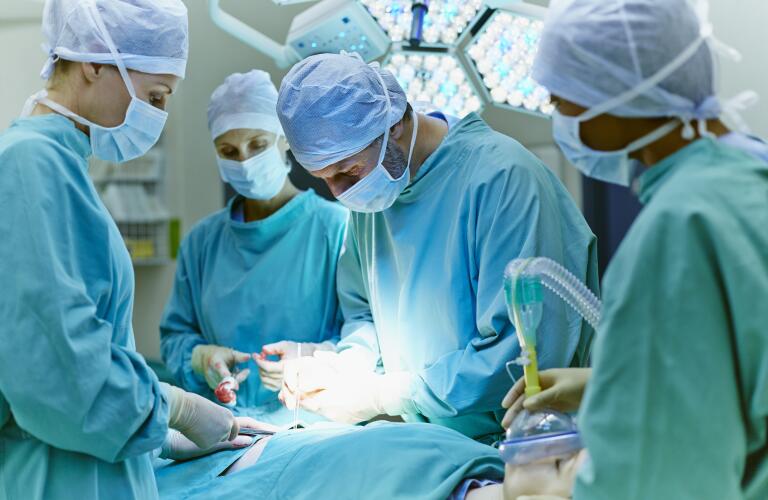
A New Era in Surgery
Techniques like laparoscopic surgery and Natural Orifice Endoscopic Surgery (NOTES) are changing what’s possible. Patients experience less pain, minimal or no scarring, and are often back on their feet much sooner than before. It’s a whole new world of surgical care and it’s designed with comfort and recovery in mind.
But no matter how advanced the tools get, the most important part of any surgery is still the person holding them. That’s why choosing the right surgeon matters.
Why Choose Dr. Ismail Shafik?
When you’re facing surgery, you want more than just skill. You want experience, leadership, and someone who truly cares. That’s exactly what you’ll find in Professor Dr. Ismail Shafik.
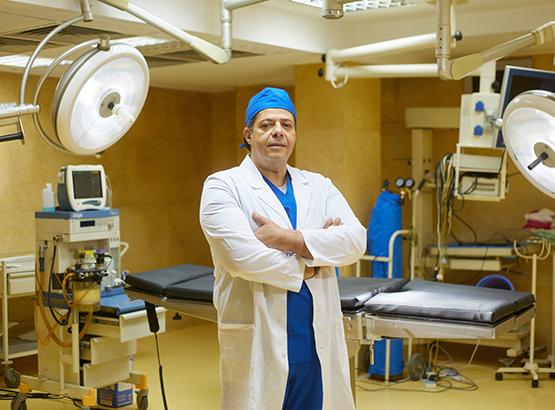
With over 25 years in the medical field, Dr. Shafik is a highly respected colorectal surgeon and professor of general surgery at Cairo University. He graduated with honors from Cairo University in 1993 and went on to earn both his Master’s and Doctorate in General Surgery with top marks. His journey from intern to department head reflects not only his deep commitment to medicine but also the trust placed in him by his peers and students alike.

Leadership

Expertise

Member of foundation
Surgical Approaches We Offer
-
Explore the three main approaches to surgery, each with its own method, benefits, and use cases. Understanding these options can help you make more informed decisions about your care.

Open Surgery

Laparoscopic Surgery

Natural Orifice Endoscopic Surgery
Cutting-edge and scar-free
Details About Surgical Approaches We Offer
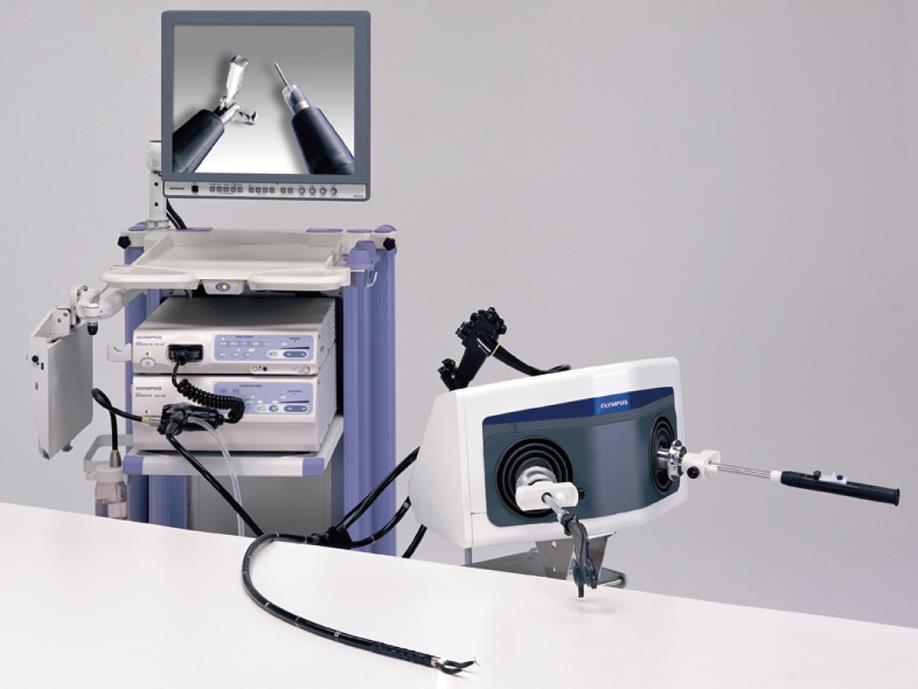
NOTES (Natural Orifice Endoscopic Surgery)
-
NOTES is a cutting-edge, minimally invasive technique that uses the body’s natural openings such as the mouth, rectum, or vagina to access internal organs. This approach eliminates external incisions altogether, leaving no visible scars and reducing the risk of wound infections. Because of its gentle approach, patients often experience significantly less pain, faster recovery, and shorter hospital stays. NOTES is an exciting advancement in modern surgery and is especially beneficial for selected abdominal and pelvic procedures when performed by experienced hands. Read More
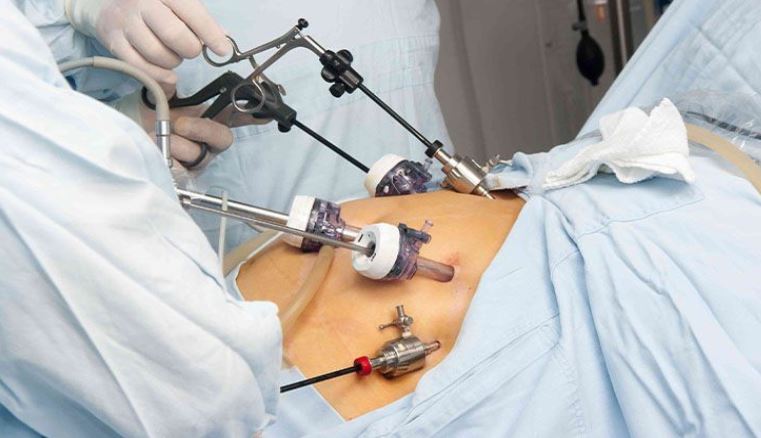
Laparoscopic Surgery
-
Laparoscopic surgery also known as keyhole surgery is a minimally invasive technique that uses tiny incisions, a thin tube with a camera (laparoscope), and special surgical tools. The surgeon views the surgical area on a monitor, allowing for great precision with less disruption to the body. Patients typically experience less post-operative pain, shorter hospital stays, faster recovery, and minimal scarring. Laparoscopy is widely used for abdominal and pelvic surgeries, including gallbladder removal, hernia repair, and some colorectal procedures. Read More
Open Surgery
-
Open surgery is the traditional approach where a larger incision is made to provide direct access to the area being treated. This technique gives surgeons a clear, unobstructed view of the internal organs, making it especially valuable for complex procedures or emergency situations. Although it typically involves a longer recovery time and a visible scar, open surgery remains a dependable and effective option particularly when precision, access, and full visibility are essential. In certain cases, it may be the best or only viable method based on the patient’s condition and overall health. Read More
Simple Comparison Table Between Types of Surgeries
Comparing Types Of Surgeries
| Criteria | Open Surgery | Laparoscopic Surgery | Natural Orifice Endoscopic Surgery |
|---|---|---|---|
| Incision Size | Large | Small (5–10mm) | None (Natural Orifice of the Body) |
| Scarring | Visible scar | Minimal scarring | No external scarring |
| Pain After Surgery | Higher | Moderate | Low |
| Recovery Time | Longer (weeks) | Faster (days to a week) | Fastest (few days) |
| Hospital Stay | 3–7 days | 1–3 days | Same day or 1 day |
| Treatment Cases | Colon Cancer | Rectum Cancer | Pelvic Floor Repair | Appendectomy | Hernia Repair | Crohn’s Disease | Polyp Removal | Tumor Removal | Fistula Repair |
Frequently Asked Questions (FAQ) – Laparoscopic Surgery
Q: Which one is better, laparoscopy or open surgery?
A: Laparoscopic surgery is usually better because it uses smaller cuts, causes less pain, and helps you recover faster. But for complex or emergency cases, open surgery may be the safer option. The best choice depends on your condition and your surgeon’s advice.
Q: Is laparoscopic surgery more expensive than open surgery?
A: Yes, laparoscopic surgery usually costs more than open surgery because it uses special tools and technology. But it can save money in the long run by helping you recover faster and spend less time in the hospital.
Q: How many holes for laparoscopic surgery?
A: Laparoscopic surgery usually requires 3 to 5 small holes (incisions), each about 0.5 to 1 cm in size.
Q: What are the natural orifices?
A: Natural orifices are the natural openings in the human body. These include:
1- Mouth
2- Nose
3- Vagina
4- Anus
5- Urethra
In Natural Orifice Endoscopic Surgery (NOTES), surgeons use these openings to access internal organs without making external cuts on the skin. This leads to no visible scars, less pain, and faster recovery.
Q: Why is open surgery better?
A: Open surgery can be better because it gives the surgeon a clear view and more control, especially in complex or emergency cases. It’s sometimes the safest option when other methods aren’t suitable.
Q: Which type of surgery is performed through a natural body opening?
A: The type of surgery performed through a natural body opening is called Natural Orifice Transluminal Endoscopic Surgery (NOTES). It uses natural openings like the mouth, anus, or vagina to access internal organs, avoiding external incisions.
Q: What is laparoscopy surgery for?
A: Laparoscopic surgery is used for a variety of procedures, including:
1- Gallbladder removal
2-Appendix removal
3- Hernia repair
4- Gynecological surgeries (like removing cysts or fibroids)
5- Colon and rectal surgeries